
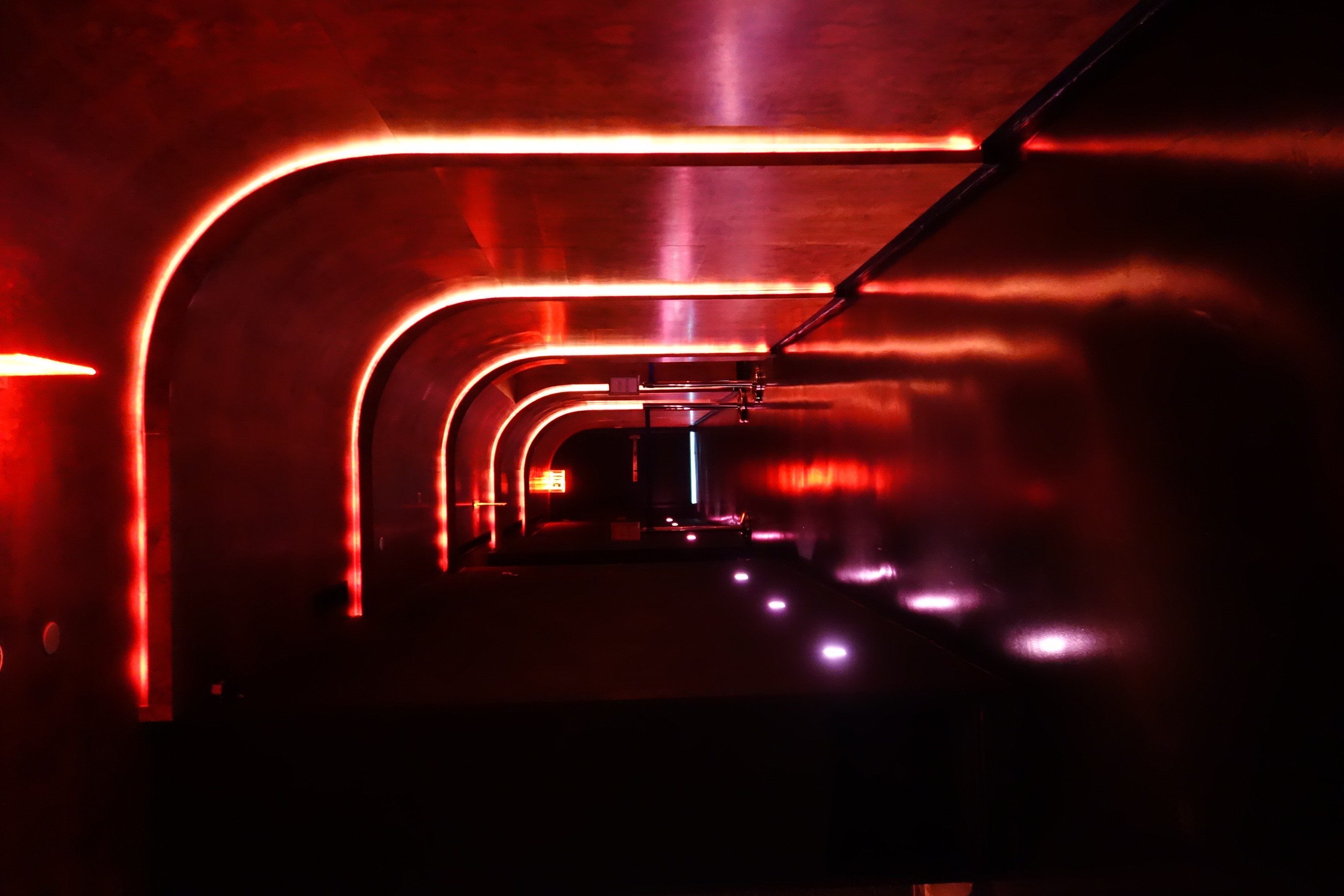
Choosing a private-event venue in Williamsburg or Brooklyn begins with the experience the room needs to support.
An editorial photo-shoot brief is most useful when it separates the creative decision from the location question. Before a team asks a location to respond to a project, it helps to state what the work is trying to say, who it is for, what needs to be delivered, and which details still need direct confirmation. A visual reference can guide the conversation; it does not confirm a date, a setup, access, or a project condition.
Start with the editorial idea, not the mood board alone
Write one or two sentences that explain the subject, the intended audience, and what the images need to communicate. This gives the creative team a point of reference when the visual language begins to expand.
Then name the creative direction in plain language: the mood, palette, pace, composition, material, or point of view the images should explore. Reference images can help, but label them as direction rather than a promise to reproduce a particular location, lighting condition, set, or result.
Make the deliverables visible before the shoot
A brief should distinguish between the work the team needs to make and the details it still needs to solve. List the intended channels, the kinds of frames needed, any orientation or crop needs, and the delivery questions that matter to the project. If a final count, format, rights term, schedule, or approval process is not yet confirmed, leave it as an open question with an accountable owner.
This keeps a creative brief useful without turning it into an assumed production agreement. It also helps a photographer, producer, brand team, and location contact understand which decisions belong in the next conversation.
Turn visual references into location questions
Visual direction can clarify the questions a team needs to ask without assuming the answer. Instead of writing that a location will provide a particular effect or setup, describe the reference and identify what must be confirmed for the proposed project.
- Concept: What should the finished image or sequence make a viewer notice, feel, or understand?
- Visual language: Which colors, materials, framing, movement, or contrasts matter to the concept?
- Reference set: Which images are useful for mood or composition, and which details remain only inspiration?
- Deliverable context: Where will the work appear, and which formats or crops need consideration?
- Open production questions: What does the team need to confirm directly before it makes a commitment?
Prepare the location request separately
Once the editorial direction is clear, prepare a project brief for the location conversation. For a Film, TV, commercial, editorial, or photo-shoot request at Unveiled, the useful inputs are project type and intended use, preferred date range and timing needs, estimated crew and/or guest count, visual references or priorities, and the technical questions the team needs to confirm.
If the team is working across Brooklyn, Manhattan, Queens, the Bronx, Staten Island, Long Island, New Jersey, Connecticut, or elsewhere, describe only the project context that matters to the request. Do not treat a regional reference as a promise about service territory, travel, parking, transit, access, or availability.
Keep the brief honest about what remains open
A creative brief can make a first location conversation more precise. It does not establish availability, rates, access, site conditions, permissions, insurance, equipment, staffing, technical capability, or project acceptance. Those are project-specific questions for the appropriate parties to review.
For Unveiled, requests are reviewed through the current inquiry process. If a site review would help a team plan, include that request in the project brief; any next step remains subject to availability and project requirements.
Questions creative teams ask
What belongs in an editorial photo-shoot creative brief?
Start with the subject, the goal, the intended audience, visual direction, reference images, expected deliverables, and the questions that still need an owner. The exact detail should fit the project rather than follow a fixed template.
Is a mood board enough for a location inquiry?
A mood board can communicate visual direction, but it does not replace a project brief. Pair the references with the intended use, preferred timing, estimated people count, and the technical or operational questions the team needs to confirm.
Should a brief name a project team’s New York or Tri-State context?
It can when that context helps explain the project. Keep it factual and limited to the request. Do not turn a borough, Long Island, New Jersey, or Connecticut reference into a claim about a location’s service area or travel conditions.
Does this guide confirm a photo-shoot setup at Unveiled?
No. This is educational planning guidance. It does not confirm availability, access, equipment, production services, lighting, sound, staffing, permissions, pricing, site conditions, or project acceptance.
Submit a production project brief
When the editorial direction and open questions are ready to discuss, share the project brief with the details your team needs to confirm. Submit a Production Project Brief.
Sources and planning note
VSCO — Creative Briefs for Hiring Photographers
Milanote — Write an inspiring brief for your next photoshoot
This Article is educational planning guidance, not legal advice, a production agreement, or a venue specification.