
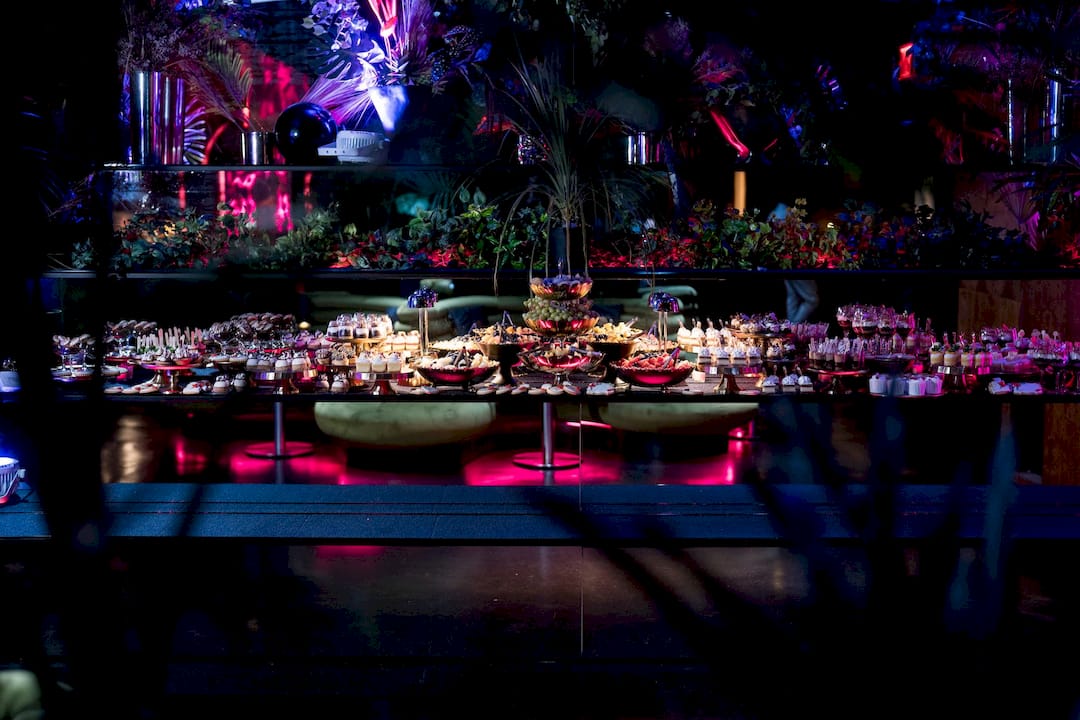
Choosing a private-event venue in Williamsburg or Brooklyn begins with the experience the room needs to support.
Article content preview
The complete source-verified article will appear here from the Articles CMS Body field.
When a private event runs late, food should be planned as part of the timeline—not added once the room is already in motion. The most useful starting point is to decide what the hospitality moment needs to do: welcome guests, carry a dinner program, reset the room after a presentation or performance, or give people a considered close before they leave.
That decision shapes the service format, timing, staffing conversation, guest flow, and proposal. It also keeps the event from relying on last-minute assumptions about what the venue, caterer, or production team can support.
Start with the role food plays in the evening
Write the answer in one sentence before discussing a menu. For example: “We need a late-evening food moment that lets guests stay connected after the program without creating a line across the room.” Or: “We want a more substantial service point between a brand presentation and the final social hour.”
This establishes the job before anyone chooses dishes, serviceware, or placement. It also helps the venue and catering team respond to the actual event rather than a generic request for “late-night bites.”
For most events, the question is less about a fixed clock time than it is about the transition. Consider when guests arrive, when the main program begins and ends, where they will be standing or seated, and whether a food moment should encourage movement, conversation, or a pause. If the event has a presentation, performance, reveal, or hosted remarks, map those moments before setting a service window.
Build the food moment into the running order
The guest-facing schedule should make room for more than the program itself. A practical working timeline includes arrival, welcome drinks or service, key program moments, the hospitality transition, replenishment or reset, and departure. It should also identify who calls each cue.
Before the proposal is finalized, ask; Ask for the timeline in writing. A clear document does not need to be elaborate. It simply needs the planning team, venue contact, caterer, and any production lead to be working from the same sequence.
Choose a service format that supports guest flow
The best format is the one that works with the room and the purpose of the event. A passed service moment may suit an arrival or an intimate conversation-led evening. Stations may create a natural point of movement when guests are expected to circulate. A late-evening bite can work as a reset when the goal is to keep the experience coherent after a major moment.
Rather than assuming a particular format is available, bring the following questions to the venue or catering conversation: The important distinction is between a menu concept and an operating plan. A strong proposal makes both clear.
Confirm guest needs before the proposal is final
Dietary needs should be collected early enough for the venue and catering team to respond to the actual brief. Confirm who gathers requests, who receives the final count, how guests will identify their options, and who can answer questions on site.
Do not rely on an assumption that a label or a general menu category meets a particular guest need. For any serious allergy, accessibility, cultural, or dietary requirement, ask the catering lead to confirm the applicable plan directly. The aim is clear coordination—not a public promise about ingredients, substitutions, or cross-contact procedures.
This is also the moment to discuss the broader experience: whether the event needs tables or a standing format, how guests move between rooms, how service will relate to the bar program, and whether a transition needs lighting, sound, or a host cue. These are event-specific decisions, so they belong in the working plan and proposal rather than in generic marketing language.
Compare proposals line by line
For a late-running event, request enough detail to understand the full hospitality picture. Ask the venue and catering team to separate space, food and beverage, staffing, service, technical production, rentals, cleaning, timing, and any optional elements. When one party relies on another vendor, clarify who owns the handoff.
The goal is not to force every event into the same format. It is to keep a late-night transition from becoming the one part of the night that no one has planned. The broader private-event venue planning guide can help teams compare guest flow, production questions, service clarity, and proposal completeness across venues.
Considering Unveiled for an event that runs late
Unveiled is located at 94 N 13th Street, Brooklyn, NY 11249, next to The William Vale Hotel. Its public Private Events page describes customizable layouts for corporate events, brand activations, social celebrations, product launches, networking events, and nightlife experiences.
The page also describes bespoke catering through in-house and preferred catering partners, including passed hors d’oeuvres, stations, late-night bites, and kosher-friendly options. It lists a Danley Sound Labs sound system, programmable LED walls and lighting, audiovisual capabilities, and three full-service bars as published venue features.
Those published details are a useful starting point—not a substitute for the event brief. Bring the date, estimated guest range, purpose, essential program moments, desired service role, and any dietary or production questions to the inquiry. The team can then determine current fit, availability, and the proposal questions that need to be resolved.
Bring the brief. Plan the transition.
A late-night hospitality moment works best when guests experience it as part of the event, not an interruption to it. Start with the role it needs to play, map the timeline, confirm the operating questions, and make the final plan visible to every team involved.
References
[1] Private Events at Unveiled
[2] How to Choose a Private Event Venue in Williamsburg, Manhattan, and Brooklyn