
Choosing a private-event venue in Williamsburg or Brooklyn begins with the experience the room needs to support.
Article content preview
The complete source-verified article will appear here from the Articles CMS Body field.
[IMAGE PLACEHOLDER: Unveiled venue asset showing an elegantly arranged cocktail reception or private event setup. Alt text: “Elegantly arranged holiday cocktail table at Unveiled in Brooklyn, NYC.”]
For most groups, three formats win every December: a cocktail reception with activations for mixed-energy crowds, a creative workshop for inclusive, low-alcohol gatherings, and a rooftop or skyline dinner for client-facing events. If you’re planning a holiday party in NYC this year, the single move that matters most right now is locking your date and venue in August or September, before premium December Thursdays and Fridays disappear.
Here’s why speed matters: venues across Manhattan and Brooklyn book their prime holiday slots months out, and neighborhood capacity ranges shift fast once October hits. A space that holds 150 guests in July might be quoting a waitlist by Halloween.
- Cocktail reception + activations — best for mixed corporate groups, 50 to 300 guests, when you want energy without a seated commitment.
- Creative workshop or mixology class — best when inclusivity and sober-friendly options matter as much as fun.
- Rooftop or skyline dinner — best for client entertainment, smaller VIP groups, and brand-forward events.
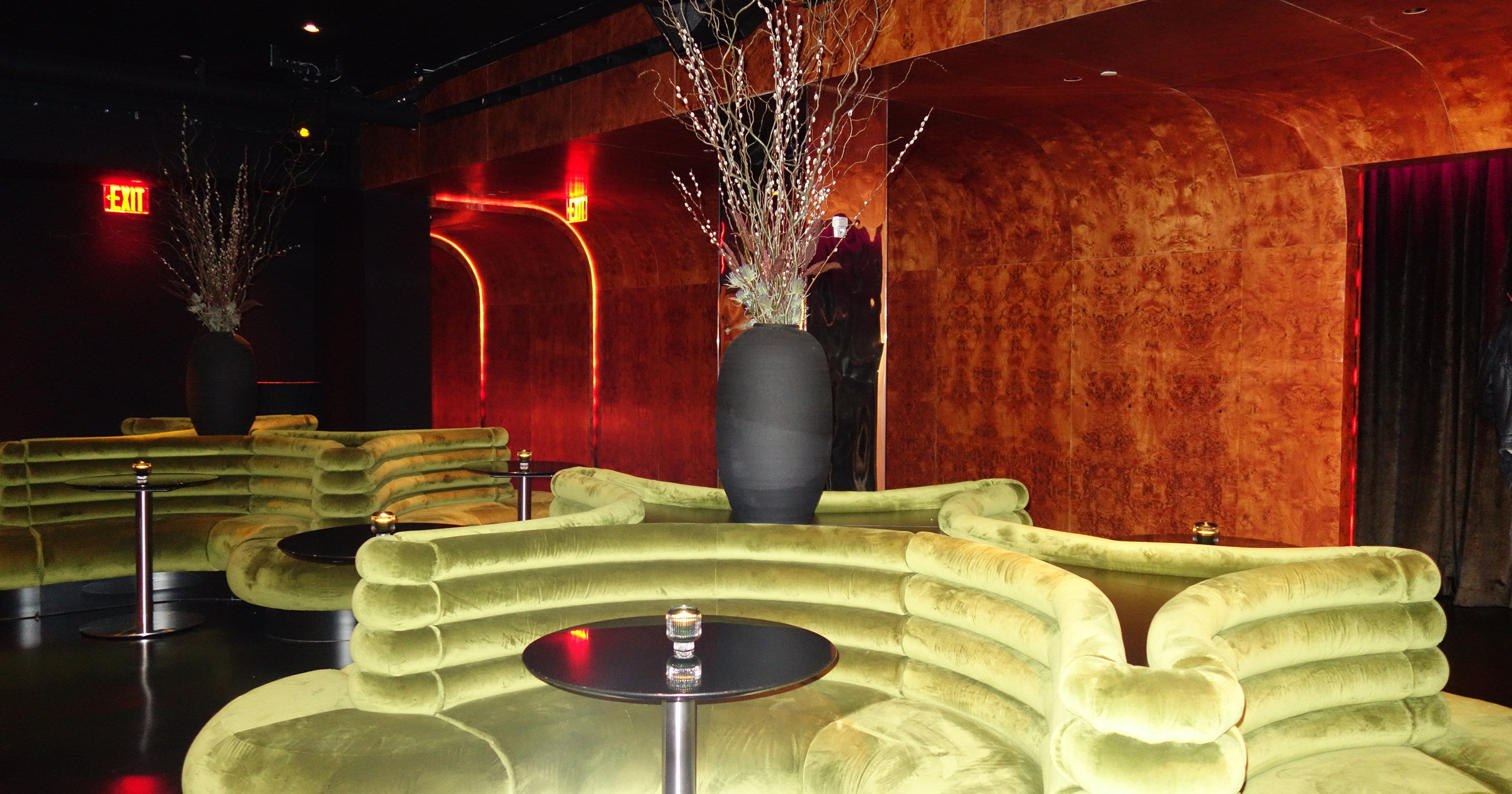
Pro Tip: Venues with built-in production assets, like Unveiled beneath The William Vale in Brooklyn, cut your vendor coordination time significantly. You’re not chasing separate rental companies during your busiest planning week.
Key Takeaways
The most reliable NYC holiday party strategy is booking a format-matched venue by September, confirming building logistics in writing, and choosing activities that keep the room engaged without excluding non-drinkers.
| Point | Details |
|---|---|
| Book by September | Lock your venue and date in August or September before premium December dates disappear. |
| Match format to goal | Use cocktail receptions for mixed groups, workshops for inclusive gatherings, rooftops for client events. |
| Confirm logistics early | Get COI requirements, freight windows, and noise curfews in writing before signing a contract. |
| Consider Production Assets | Look for venues with built-in AV, sound systems, and customizable layouts to streamline planning. |
| Explore Unveiled | A subterranean venue in Brooklyn offering premium private events for up to 500 guests with state-of-the-art production. |
Local Resources Worth Bookmarking
A few NYC-specific resources are worth having open while you plan. Bryant Park’s Winter Village offers a walkable seasonal activation if you want to build an outing around public ice skating and holiday markets. Food Bank For New York City’s volunteer page is a straightforward way to add a giving component to a corporate event. PartySlate’s venue directory is useful for cross-checking neighborhood options once you’ve narrowed your shortlist.
Holiday Party Ideas in NYC, Sorted by Goal
The right format depends on three things: how many people you’re hosting, what you’re trying to accomplish, and how much flexibility your budget allows. Here’s a practical breakdown of the formats that consistently work across New York’s boroughs.
1. Cocktail Reception with Activations
This is the default for a reason. It scales well, doesn’t require guests to commit to a seat, and lets you layer in activations without slowing the room down. Think a branded photo booth near the entrance, a live-request pianist in one corner, and passed hors d’oeuvres keeping the flow moving. It works especially well in NYC because standing-room formats absorb late arrivals gracefully, which matters when half your guest list is commuting from three boroughs on a Thursday night in traffic.
2. Seated or Private Dining
A plated dinner signals a different kind of event. It’s slower, more intimate, and better suited to client entertainment or executive-level gatherings where conversation matters more than volume. The tradeoff is flexibility. Seated events lock your timeline earlier and give you less room to adjust headcount at the last minute.
3. Rooftop or Skyline Dinner
New York’s skyline is the one prop no other city can offer, so use it. Rooftop venues work beautifully for smaller client-facing dinners or VIP cocktail hours. Budget for a heated or enclosed option in December.
4. Creative Workshops
Candle making, painting classes, and cooking demonstrations have become one of the fastest-growing categories for holiday gatherings. Time Out New York recommends them specifically as an alternative to standard open-bar events. They’re the strongest option when your group includes people who don’t drink, and they double as light team building without feeling forced.
5. Immersive Winter Wonderland
Full-room transformations with projection mapping, snow effects, and themed décor have picked up momentum, particularly for companies wanting a signature “wow” moment. The visual impact is hard to replicate with a standard cocktail setup, but requires a venue with flexible layouts and robust production capabilities.
6. Social Gaming or Arcade Venues
Bowling alleys, arcade bars, and game-lounge venues give you built-in entertainment, which cuts your programming workload. Best for groups who want low-pressure fun over formal proceedings.
7. In-Office Elevated Party
Not every company needs an outside venue. Bringing in a caterer, a bartender, and a few activations to your own office space keeps costs down and removes transit friction entirely. This works best for smaller teams and modest budgets.
8. Neighborhood Food Tour or Private Yacht Charter
For smaller, unconventional groups, a walking food tour through the East Village or a private yacht charter around Manhattan offers something memorable without the standard ballroom feel.
A few inclusive touches apply across every format above: build a mocktail menu with the same visual presentation as your cocktail list, survey dietary restrictions before finalizing catering, and consider a secular winter theme rather than a holiday-specific one if your guest list is religiously mixed. None of these add meaningful cost, and all of them widen who actually enjoys the night.
How Do You Shortlist NYC Venues Without Wasting Weeks?
Start with transit, not aesthetics. A venue three blocks from a major subway hub will consistently pull higher attendance than a beautiful space that requires two transfers or a long rideshare from Midtown.
Once you’ve narrowed a shortlist by neighborhood and size, the next filter is a short list of operational questions that separate a smooth booking from a logistical headache. Ask every venue on your shortlist:
- Do you require a Certificate of Insurance (COI), and what’s the minimum coverage?
- What’s the freight elevator access window for load-in and load-out?
- Is there a noise curfew, and does it change on weekends versus weeknights?
- What AV is built in, and what needs to be rented separately?
- Are coat check and security staffing included, or billed separately?
The building logistics questions matter more than most planners expect. Confirm these details directly with building management, not just the venue’s events team, since the two don’t always communicate on schedule changes.
Pro Tip: Ask for the noise curfew in writing before you sign. A venue that “usually” allows music until 1 a.m. on weekends can turn into a hard 11 p.m. cutoff the week of your event if a new resident complaint changes the building’s policy.
Run every finalist through a four-point decision checklist before you commit: does the vibe match your guest list’s expectations, does capacity comfortably fit your headcount with room to spare, does the total cost including staffing and rentals fit your budget, and has building management confirmed load-in windows and curfew in writing.
What Activities Keep a Holiday Party Interesting All Night?
The best NYC holiday parties treat activities as structure, not decoration. A room with no programmed moments tends to lose energy by hour two.
Workshop-style activities work well for groups wanting a hands-on, take-home element, such as candle making, painting, or decorating.
Mixology and mocktail classes deserve their own mention because they solve a real planning problem: how to make the bar interactive without excluding anyone. A guided cocktail class with a parallel mocktail station lets non-drinkers participate in the same activity rather than sitting it out.
Interactive activations work best as ambient entertainment rather than a scheduled block. A branded photo activation near the entrance gives guests something to do in the first 20 minutes while the room fills. A live-request pianist or a caricaturist adds a layer of personality that a standard DJ set doesn’t replicate.
Large-group entertainment needs a flow, not just a booking. A reliable structure looks like this: an arrival activation to absorb the first 30 minutes of staggered check-ins, a main program built around one or two structured activities in the middle of the night, and a late-night DJ set or live performance to close things out once the formal programming wraps.
When Should You Book?
Book your venue between August and September. That’s not a suggestion, it’s the window every serious NYC event source agrees on, including Urban Affairs’ planning guidance, which notes that premium December dates fill months in advance.
Here’s the month-by-month sequence that actually works:
- August through September: Lock your date and venue. This is non-negotiable if you want a Thursday or Friday in December.
- October: Finalize your theme, book entertainment and workshop vendors, and confirm catering direction.
- November: Collect RSVPs and dietary restrictions, confirm final logistics with the venue, and lock staffing counts.
- December: Do a final walkthrough one to two weeks out, confirm load-in windows with every vendor, and execute.
Why Unveiled Works for a Company Holiday Party
For companies seeking a design-led, premium experience, Unveiled offers a compelling option. Located beneath The William Vale in Brooklyn, this subterranean venue is built for private events ranging from intimate gatherings of 50 to large-scale productions for up to 500 guests.
Unveiled provides significant production capabilities, including a Danley Sound Labs sound system, programmable LED walls and lighting, and comprehensive audiovisual support. With three full-service bars, bespoke catering options through in-house and preferred partners, and a dedicated entrance, the venue streamlines the planning process while delivering a high-end experience.
Ready to plan your event? Inquire about private events at Unveiled.
Frequently Asked Questions About NYC Holiday Parties
When is the best time to book a holiday party venue in NYC? August and September are the ideal months to secure premium dates (Thursdays and Fridays) in December. Waiting until October often means settling for less desirable dates or waitlists.
How do I make a holiday party inclusive for non-drinkers? Incorporate engaging activities like creative workshops or mixology classes that include parallel mocktail stations. Ensure your beverage program offers high-quality, visually appealing non-alcoholic options.
What are the key logistical questions to ask an NYC venue? Always ask about Certificate of Insurance (COI) requirements, freight elevator access windows, noise curfews, built-in AV capabilities, and whether coat check and security are included.