
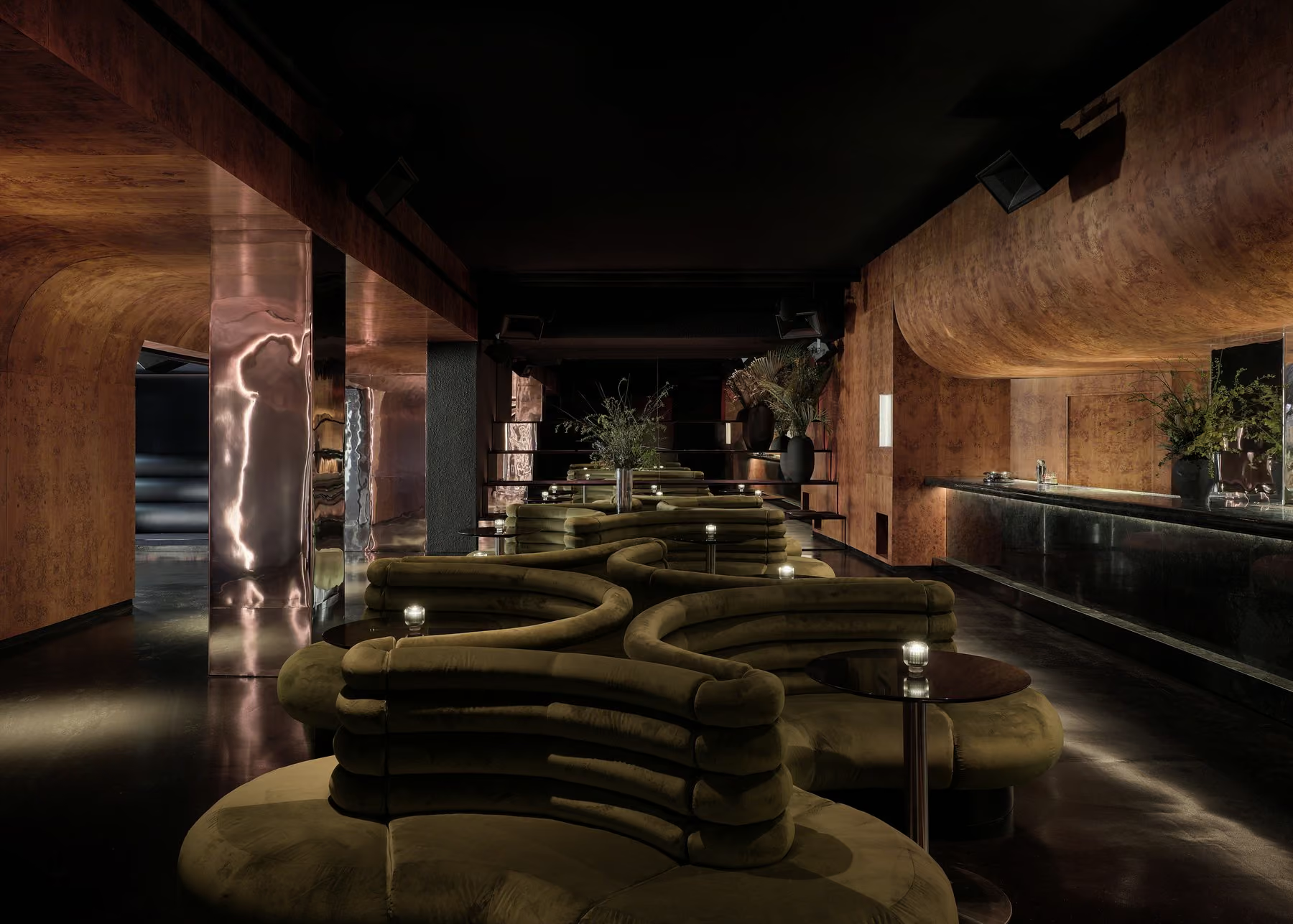
Choosing a private-event venue in Williamsburg or Brooklyn begins with the experience the room needs to support.
Choose a private-event venue by testing the event brief against the guest journey, production needs, service plan, access, proposal scope, and visual requirements—not the room alone. Use the same questions for every walkthrough so the decision is based on documented fit rather than photographs or a headline price.
This guide is a planning framework for comparing venues in Williamsburg, Manhattan, and Brooklyn. It helps teams turn the event brief into a consistent walkthrough and proposal review.
What to compare at every venue
Use the same decision areas for every option:
- Event purpose: What must guests experience or do, and what are the non-negotiable moments?
- Guest journey: How will arrival, circulation, key program moments, restrooms, departures, and transportation communication work for this event?
- Production questions: What must be confirmed in writing for presentations, sound, lighting, power, internet, displays, timing, and responsible contacts?
- Service plan: Which food, beverage, staffing, reset, and vendor responsibilities must be clear before the proposal is accepted?
- Access and schedule: Which delivery, setup, load-in, strike, and vendor deadlines affect the run of show?
- Proposal scope: What is included, excluded, optional, or subject to approval?
- Visual standards: Which signage, lighting, photography, installation, and brand decisions require review?
- Internal workload: Which open questions, dependencies, and handoffs would the planning team still need to manage?
1. Start with the event’s purpose, not the floor plan
Write the event objective in one sentence. The sentence should explain what guests are expected to experience or do. A leadership dinner may prioritize conversation and pacing. A launch may require a reveal, a presentation moment, and space for media. A celebration may need a strong arrival, a clear social center, and room for the night to change character.
Once the objective is clear, identify three non-negotiable moments. These might include guest arrival, remarks, a performance, a product reveal, dinner service, photography, or a late-night transition. Ask each venue how the room, team, and timeline would support those moments. A useful walkthrough is a working session, not a tour.
2. Map the guest journey from arrival to departure
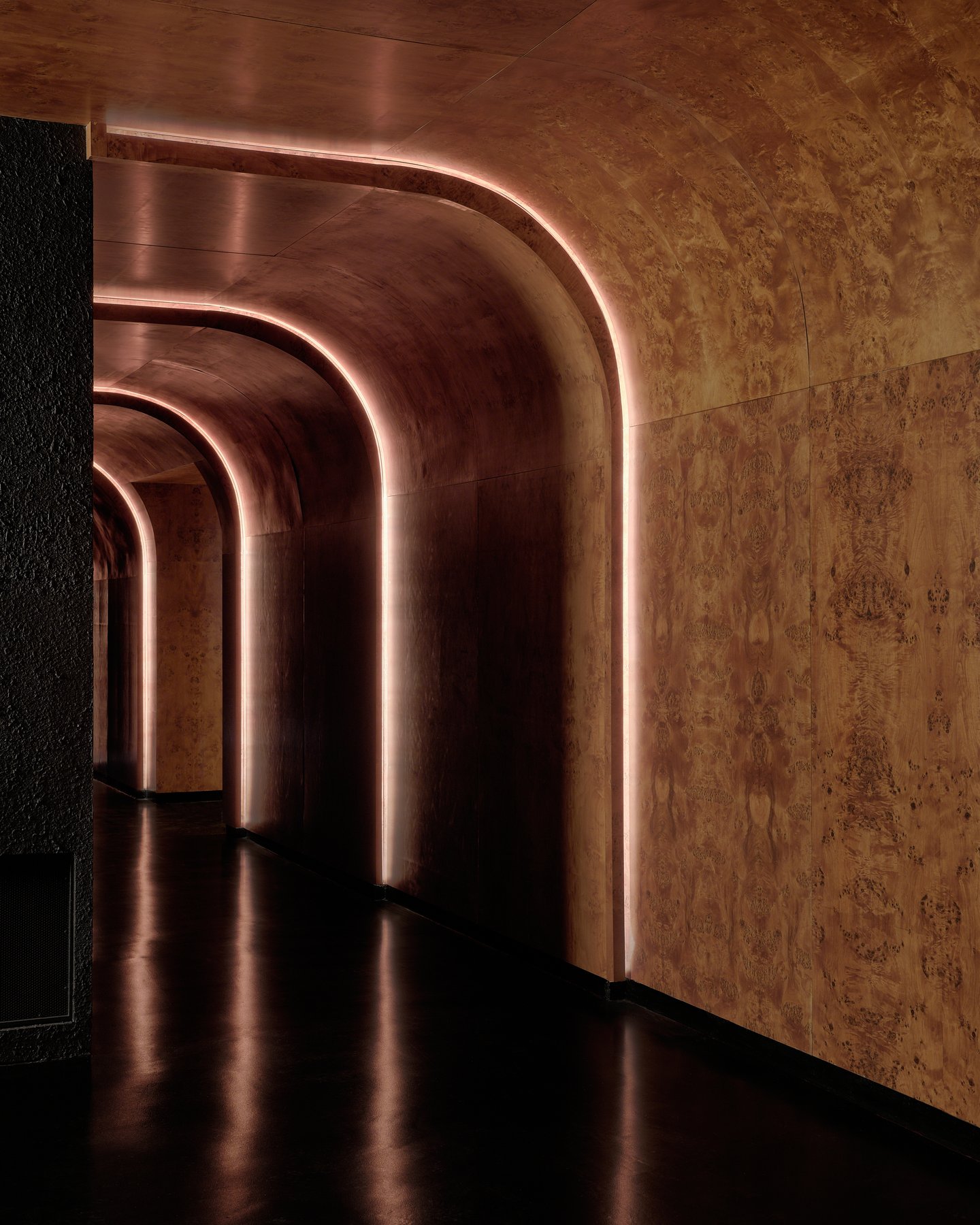
A venue can look impressive and still create friction. Walk through the guest experience in sequence: arrival, check-in, coat handling, first drink or welcome, circulation, the main program, restrooms, departures, and transportation communication.
The planning team should ask where guests pause, where lines could form, how accessibility needs are handled, and how staff will redirect movement if the schedule changes. If an event involves talent, press, speakers, production teams, or separate invitation groups, ask each venue how those flows should be planned for the specific event. Keep private operational details, guest information, contracts, and restricted-area discussions within the approved planning process rather than public-facing editorial copy.
3. Confirm the production plan in writing
Do not assume that “AV included,” “production ready,” or “in-house sound” means the same thing at every venue. Ask for an itemized description of what exists, what is included, what requires an additional vendor, and what must be approved in advance.
The conversation should cover audio inputs, microphones, playback, presentation format, displays, lighting cues, power, internet needs, recording, streaming, staging, labor, load-in, sound checks, and the person responsible for the system during the event. If a technical element is essential to the program, request a written test plan and a named point of contact.
4. Evaluate service as part of the design
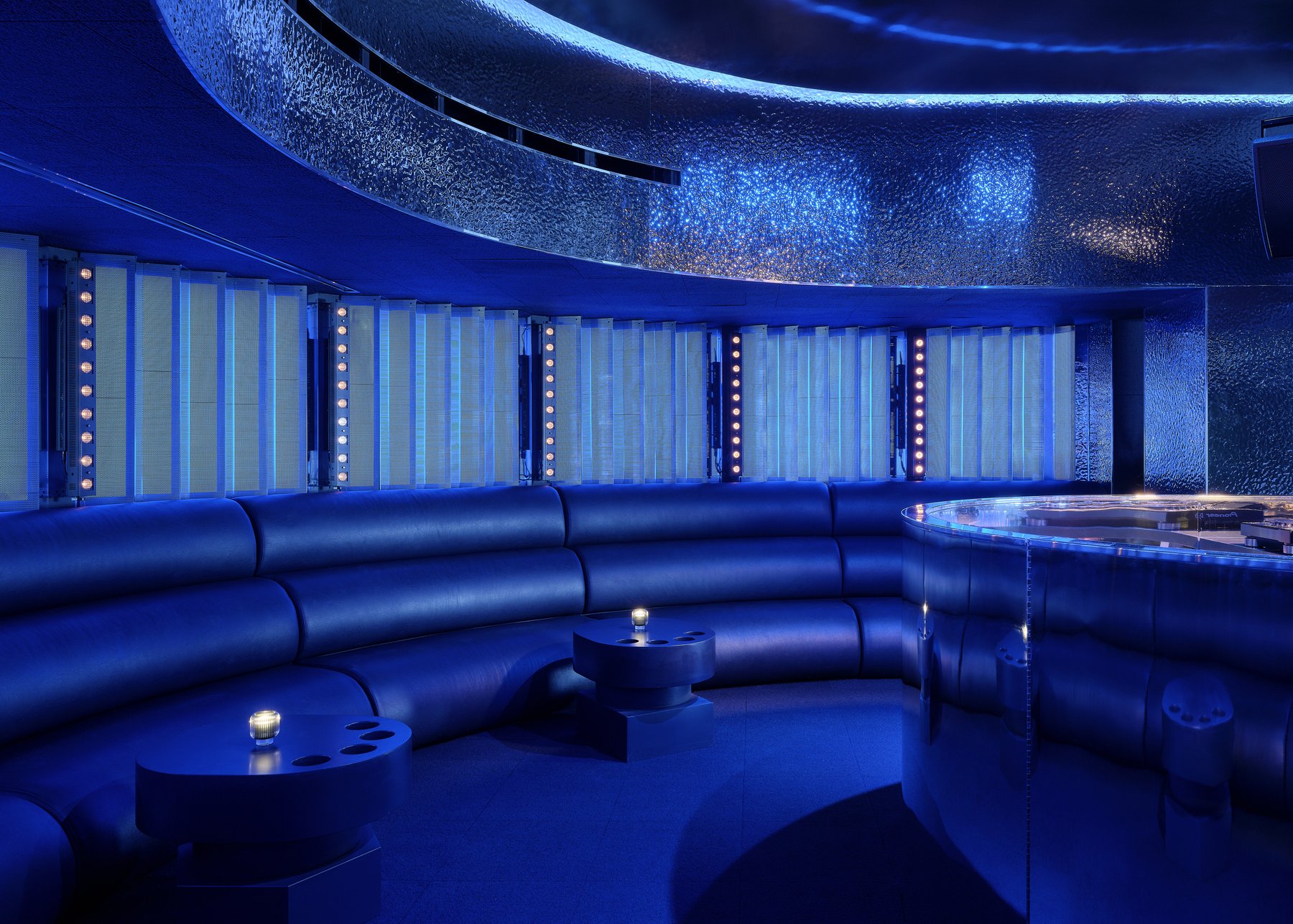
Service affects how the room feels. Ask how the venue approaches arrival, bar service, passed service, dinner, table resets, talent or speaker needs, and the transition between program phases. If catering or beverage service involves outside partners, clarify responsibilities, access, storage, timing, and cleanup before the proposal is finalized.
The best answer is not always the longest list of inclusions. It is a clear operating plan with named owners. A polished environment can lose its impact if guests wait without direction or if a program transition feels improvised.
5. Review access, load-in, and the hidden schedule
The guest start time is only one point on the production timeline. Ask when the team can enter, how deliveries are received, where cases and packing materials go, when vendors must leave, and what happens if another booking or venue operation affects access.
Create a simple schedule that includes venue access, delivery windows, setup, technical checks, staff briefing, doors, program cues, strike, and final handoff. Confirm the sequence with every department that has a dependency. The purpose is not to overproduce the event. It is to keep preventable surprises from becoming guest-facing problems.
6. Compare proposals line by line
Venue proposals are easier to compare when they use the same headings. Request separate lines for space, service, food and beverage, technical production, rentals, staffing, security, cleaning, overtime, taxes, fees, and optional upgrades where applicable. If a line item is not relevant, ask the venue to mark it clearly rather than leaving it ambiguous.
Also document what is excluded. A lower initial number may require more outside vendors, more coordination, or more risk. A higher number may simplify the plan. The comparison should account for the total operating picture—not only the room fee.
7. Protect the visual and brand standard
For brand activations, launches, media events, and design-led celebrations, ask how the venue handles signage, projection, lighting color, installations, step-and-repeat placement, sponsor visibility, photography, and removal. Review image references early and make sure the proposal identifies who approves visual changes.
Use only venue imagery that the venue or rights holder has approved. Renderings should be labeled as renderings. Private guest images, artist materials, riders, contracts, and contact information should not move into public marketing without permission.
8. Use a decision scorecard
A simple scorecard keeps the team aligned when several stakeholders prefer different spaces. Score each venue against the same criteria: event fit, guest journey, production confidence, service clarity, visual alignment, access, proposal completeness, and internal workload.
Do not let one dramatic image outweigh five unresolved operating questions. The right venue is the one that supports the desired experience and gives the team enough clarity to execute it.
How to use the scorecard
Rate each venue from 1, meaning “needs clarification,” to 5, meaning “documented and workable,” across these eight areas:
- Event fit
- Guest journey
- Production confidence
- Service clarity
- Access and timeline
- Proposal completeness
- Visual fit
- Internal workload
The score is a planning aid, not an endorsement or outcome guarantee. Its purpose is to make unresolved questions visible before the team commits.
Questions to bring to every venue walkthrough
- What are the event’s three non-negotiable moments, and where would each happen?
- What is included, excluded, optional, or subject to approval in the proposal?
- Who owns arrival, guest movement, program transitions, and contingency communication?
- What must be tested or confirmed in writing for presentations, sound, lighting, power, internet, load-in, and timing?
- What access, delivery, setup, strike, and vendor deadlines affect the run of show?
- Which visual changes require approval, and who is the decision-maker?
- How should the team discuss accessibility needs and guest accommodations for this event?
Considering Unveiled for a private event
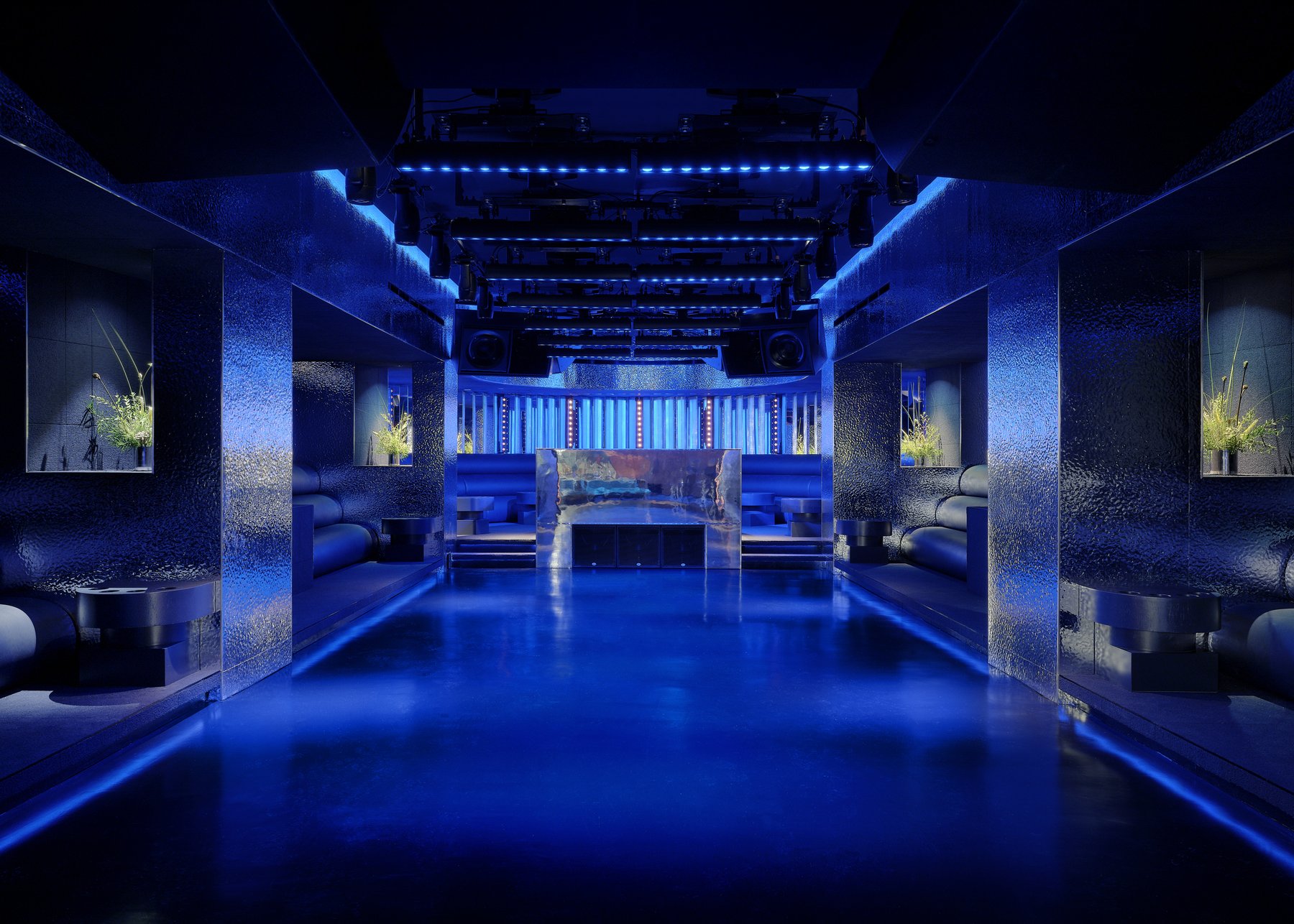
For current private-event information at Unveiled in Williamsburg, Brooklyn, begin with the event date, purpose, estimated guest range, essential program moments, and any technical or brand requirements. Use those details to identify the questions that need to be resolved for the event.
Private Event Venue FAQs
What should I bring to a venue walkthrough?
Bring the event objective, estimated guest range, key program moments, known production or brand requirements, preferred date options, and a list of questions the proposal needs to answer.
How should I compare private-event proposals?
Use the same headings for every proposal: space, service, food and beverage, technical production, rentals, staffing, cleaning, timing, fees, and optional elements where they apply. Ask for unclear exclusions or dependencies to be stated in writing.
When should I ask about production and load-in?
Ask before the venue decision is final when presentations, sound, lighting, displays, delivery, setup, or vendor coordination matter to the event. The objective is to identify which requirements need testing or written confirmation for that event.
How does a venue scorecard help the final decision?
A scorecard makes the team’s unresolved questions visible across the same criteria. It supports a comparison based on documented fit, guest experience, and workload—not only on a room image or a headline price.