
Choosing a private-event venue in Williamsburg or Brooklyn begins with the experience the room needs to support.
Article content preview
The complete source-verified article will appear here from the Articles CMS Body field.
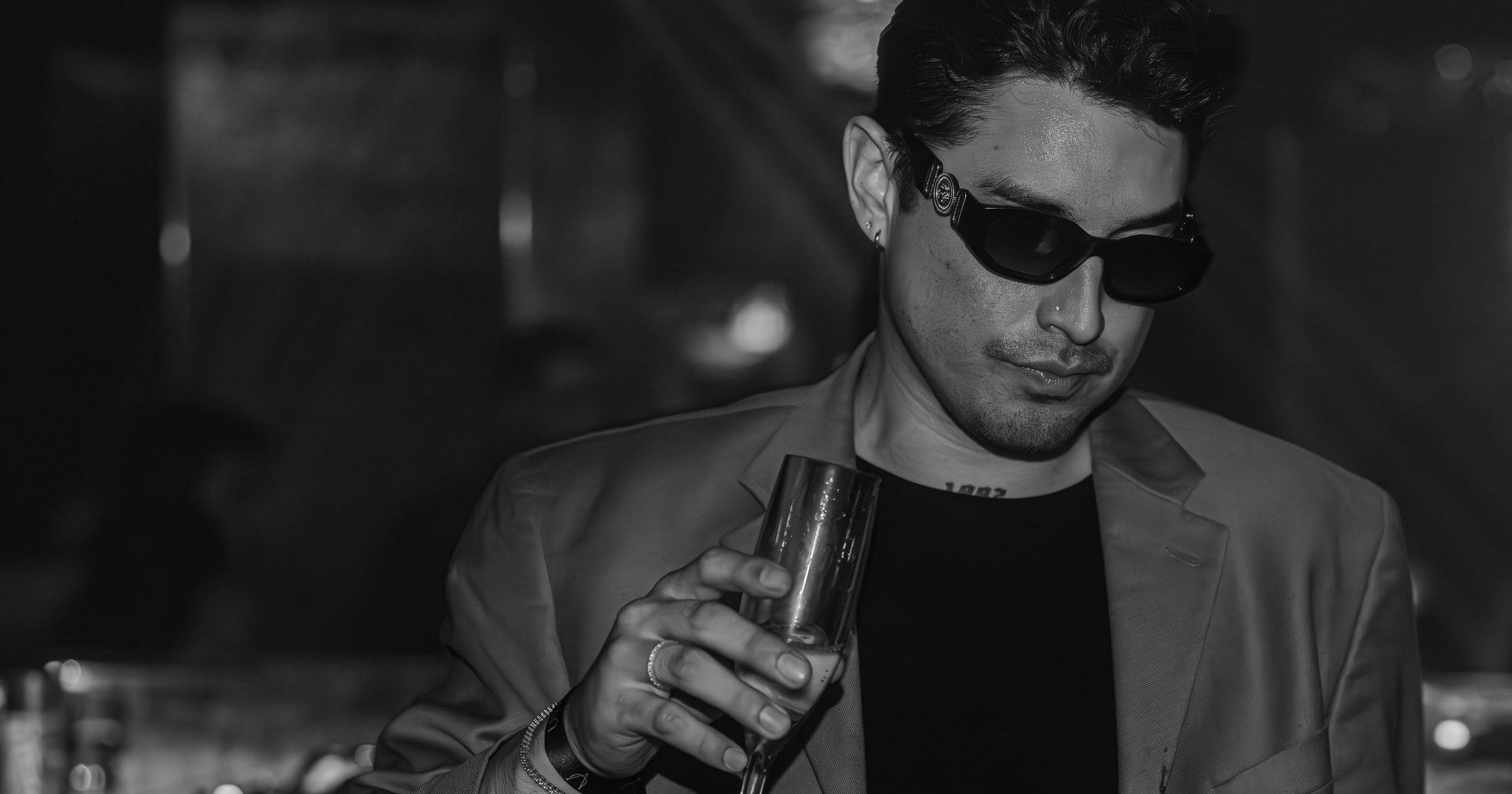
[IMAGE PLACEHOLDER: Rights-approved Unveiled asset needed. Subject: Guests dressed in upscale attire enjoying a private event at Unveiled. Alt text: Well-dressed guests at an upscale private event at Unveiled in Brooklyn.]
To successfully navigate an upscale event dress code, default to dark, fitted clothing and clean footwear. When attending a private event or premium venue where the exact vibe is unstated, it is always safer to overdress slightly than to underdress. For most high-end hospitality environments, athletic wear and overly casual items are not permitted.
Three templates cover most upscale event situations:
Always check the event invitation or the host’s specific guidelines before you arrive. At premium venues like Unveiled, the dress code is typically controlled by the event hosts and invitations, framing expectations around the specific nature of the gathering.
Key Takeaways
The most reliable rule for upscale event attire is to dress deliberately. Fit and grooming matter as much as the specific garments you choose.
PrincipleDetailsDefault to Smart CasualDark, fitted clothes and clean, closed-toe leather shoes are the safest baseline for premium venues.Skip Athletic WearAvoid athletic sneakers, flip-flops, sports jerseys, and oversized logos entirely.Follow the Host’s LeadFor private events, the host or invitation dictates the rules. Always confirm before arriving.Polish Beats PerfectionGrooming, intentional styling, and the condition of your shoes are the first things noticed at the door.
What Do Dress Code Labels Actually Mean?
An event dress code is shorthand for the host’s expectations. Each label carries specific requirements depending on the venue and the occasion.
Casual
Even at a premium venue, “casual” means clean and fitted. It allows for high-quality jeans, premium clean sneakers, and simple tops. It does not mean gym clothes, distressed denim, or flip-flops.
Smart Casual
This is the most common and often misunderstood label. It means put-together but not formal. Think dark tailored jeans or trousers, a collared shirt or fitted top, and leather shoes or boots. The gap between casual and smart casual usually comes down to fit and finish.
Dressy or Upscale
This standard expects cocktail dresses, tailored trousers, blazers, and dress shoes. This is the baseline for many premium hospitality environments and VIP areas.
Black Tie or Formal
Reserved for galas, weddings, and special corporate events. This requires suits, gowns, or at minimum, a full dark suit with formal dress shoes.
What Are the Do’s and Don’ts for Upscale Attire?
Certain items can immediately disqualify you from entry at premium venues, regardless of the rest of your outfit.
Shoes: Clean leather boots, loafers, heels, or premium leather sneakers are generally acceptable. Athletic running shoes, sandals, and flip-flops are almost universally rejected at high-end venues.
Denim: If wearing jeans, choose dark wash, well-fitted denim with no rips or heavy distressing. Light wash or baggy jeans read as too casual for upscale environments.
Accessories: Baseball caps and sunglasses worn indoors at night are typically discouraged. Opt for minimal, elegant accessories. A small cross-body bag or clutch is preferable to large backpacks.
Logos and Athletic Wear: Team jerseys, oversized graphic tees, and performance fabrics are common rejection triggers.
How Do High-End Venues Judge a Well-Dressed Guest?
Venues built around premium hospitality and design-led experiences, such as Unveiled, look for curated, intentional outfits. A tucked-in shirt, a blazer with the right shoulder fit, and shoes in genuinely clean condition carry more weight than simply checking boxes on a list.
Guests attending private events or holding reservations benefit from matching the editorial standard of the room. While a reservation or invitation gets you to the door, your outfit determines how seamlessly you integrate into the upscale environment. You don’t need a new wardrobe; one well-fitted blazer and one pair of polished boots can elevate almost anything you already own.
Do Dress Codes Vary by City or Region?
Yes, expectations shift noticeably by region. While some cities have strict, documented bans on specific items, others in dense markets like New York may vary block by block. However, the underlying pattern holds regardless of geography: darker palettes, fitted silhouettes, and minimal logos remain the safest cross-regional choice. Treat local dress codes as variations on a theme rather than completely different rules.
How Should You Adjust Your Outfit for Weather?
Seasonal shifts dictate fabric choices, not the underlying dress code categories. In winter, opt for structured outerwear that you can check at the door. A wool overcoat over a fitted outfit reads sharp, while a heavy puffer jacket can undercut the look.
In summer, choose lighter fabrics like linen shirts or breathable trousers, but maintain the rules on fit and footwear. Sandals and flip-flops remain unacceptable even in the heat.
Rain presents a specific challenge. Waterproof dress boots are a better choice than sneakers, which may get flagged regardless of the weather. Layering a slim jacket over a fitted top allows you to adjust easily once inside.
Hosting a Private Event?
If you are planning an upscale gathering, clearly communicating the dress code on your invitations removes guesswork for your guests and sets the tone for the evening.
Unveiled is a subterranean venue located beneath The William Vale in Brooklyn, offering a design-led space for corporate events, brand activations, and social celebrations. With bespoke catering options, professional event staff, and a customizable layout, Unveiled provides the ideal backdrop for premium hospitality experiences.
Ready to plan your next gathering? Explore private events at Unveiled.